Like us on facebook
Follow us on twitter
review us on google

Foot Exercises for Balance and Stability

Maintaining balance and stability is essential for overall mobility and foot health. Certain foot exercises can help improve strength and coordination, supporting better stability. One effective exercise is ankle circles, where you rotate each ankle in a circular motion to enhance flexibility and strengthen the muscles. Another beneficial exercise is toe pulls, which involves pulling the toes upward while keeping the foot flat on the ground. This helps to stretch the foot muscles and improve range of motion. Additionally, calf raises are great for strengthening the calf muscles, which play a vital role in maintaining stability. By regularly practicing these and other exercises, individuals can enhance their foot strength, improve posture, and reduce the risk of falls. If you have injured your foot, it is suggested that you contact a podiatrist who can treat various foot conditions, and guide you on additional foot and ankle strengthening exercises.

Exercising your feet regularly with the proper foot wear is a great way to prevent injuries and build strength. If you have any concerns about your feet, contact Brian Doerr, DPM from Florida. Our doctor can provide the care you need to keep you pain-free and on your feet.

Exercise for Your Feet

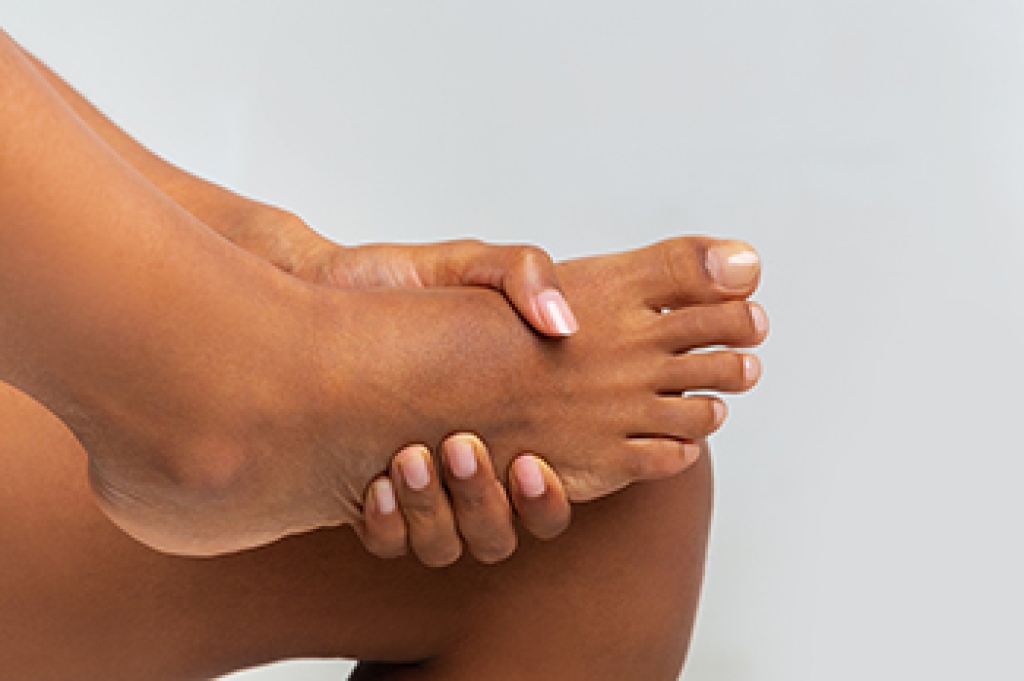
Exercise for your feet can help you gain strength, mobility and flexibility in your feet. They say that strengthening your feet can be just as rewarding as strengthening another part of the body. Your feet are very important, and we often forget about them in our daily tasks. But it is because of our feet that are we able to get going and do what we need to. For those of us fortunate enough to not have any foot problems, it is an important gesture to take care of them to ensure good health in the long run.

Some foot health exercises can include ankle pumps, tip-toeing, toe rises, lifting off the floor doing reps and sets, and flexing the toes. It is best to speak with Our doctor to determine an appropriate regimen for your needs. Everyone’s needs and bodies are different, and the activities required to maintain strength in the feet vary from individual to individual. 

Once you get into a routine of doing regular exercise, you may notice a difference in your feet and how strong they may become.

If you have any questions, please feel free to contact our office located in Fort Meyers, FL . We offer the newest diagnostic and treatment technologies for all your foot care needs.

Read more about Exercise for Your Feet

Dealing With Foot Cramps

Foot cramps involve sudden, painful, involuntary tightening of the muscles in the feet or toes and can occur during activity, prolonged standing, or even at rest. Foot cramps often develop when muscles become fatigued or stressed and are unable to relax normally. Dehydration is a common factor, since muscles depend on adequate fluid levels to function properly, and not drinking enough water can increase the risk of cramping. Electrolyte imbalances involving calcium, magnesium, potassium, or sodium can interfere with nerve signals that control muscle movement, contributing to cramping. Wearing shoes that do not fit well or fail to provide proper support may also strain the muscles that support the arches, leading to fatigue and spasms. A podiatrist can identify contributing factors, evaluate foot structure, and recommend appropriate treatment. If foot cramps occur frequently, it is suggested that you make an appointment with a podiatrist for an exam and treatment.

Foot Pain

Foot pain can be extremely painful and debilitating. If you have a foot pain, consult with Brian Doerr, DPM from Florida. Our doctor will assess your condition and provide you with quality foot and ankle treatment.

Causes

Foot pain is a very broad condition that could be caused by one or more ailments. The most common include:

  • Bunions
  • Hammertoes
  • Plantar Fasciitis
  • Bone Spurs
  • Corns
  • Tarsal Tunnel Syndrome
  • Ingrown Toenails
  • Arthritis (such as Gout, Rheumatoid, and Osteoarthritis)
  • Flat Feet
  • Injury (from stress fractures, broken toe, foot, ankle, Achilles tendon ruptures, and sprains)
  • And more

Diagnosis

To figure out the cause of foot pain, podiatrists utilize several different methods. This can range from simple visual inspections and sensation tests to X-rays and MRI scans. Prior medical history, family medical history, and any recent physical traumatic events will all be taken into consideration for a proper diagnosis.

Treatment

Treatment depends upon the cause of the foot pain. Whether it is resting, staying off the foot, or having surgery; podiatrists have a number of treatment options available for foot pain.

If you have any questions, please feel free to contact our office located in Fort Meyers, FL . We offer the newest diagnostic and treatment technologies for all your foot care needs.

Read more about Foot Pain

Causes and Symptoms of Cracked Heels

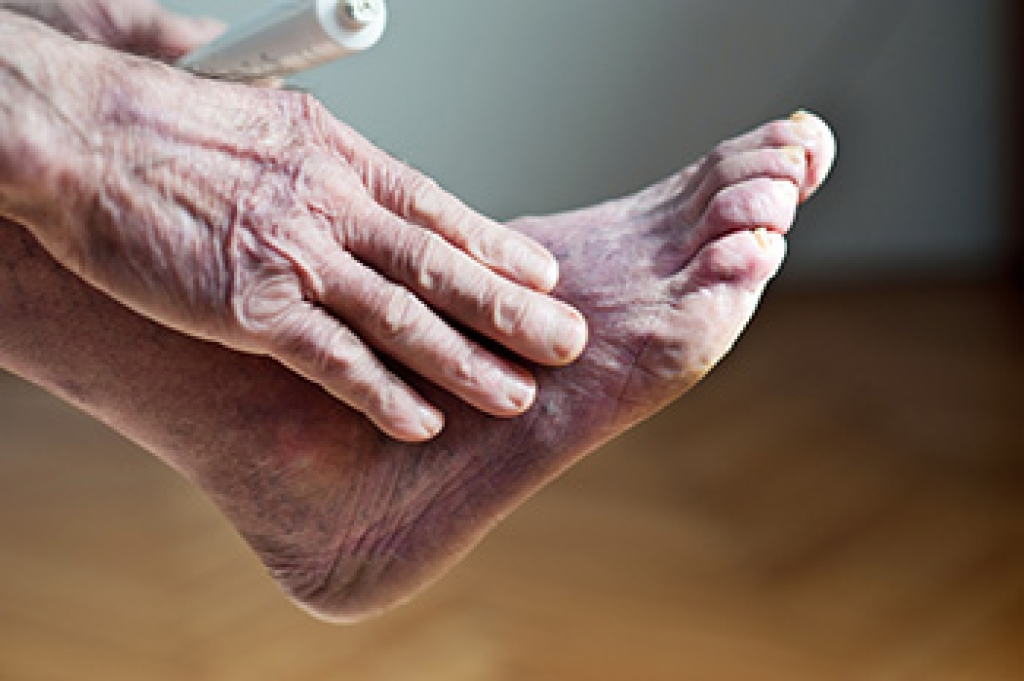
Cracked heels are a common foot condition that occurs when the skin surrounding the heel becomes excessively dry, thickened, and unable to stretch properly. As pressure builds, the skin splits, leading to visible cracks that may cause pain, bleeding, or discomfort. Common symptoms include rough, flaky skin, redness, and deep fissures along the heel. Cracked heels can develop due to vitamin deficiency, dry skin and dehydration, in addition to mechanical stress, prolonged barefoot walking, and excess pressure on the feet. Fungal infections and other skin conditions may also weaken the skin and contribute to cracking. A podiatrist can identify the underlying cause, provide professional debridement, recommend moisturizing treatments, and address infections or biomechanical issues. If you have painful cracked heels, it is suggested that you consult a podiatrist who can offer effective relief and treatment solutions, which may include prescribed medication. 

If the skin on your feet starts to crack, you may want to see a podiatrist to find treatment. If you have any concerns, contact Brian Doerr, DPM from Florida. Our doctor can provide the care you need to keep you pain-free and on your feet.

Cracked Heels

It is important to moisturize your cracked heels in order to prevent pain, bleeding, and infection. The reason cracked heels form is because the skin on the foot is too dry to support the immense pressure placed on them. When the foot expands, the dry skin on the foot begins to split.

Ways to Help Heal Them

  • Invest in a good foot cream
  • Try Using Petroleum Jelly
  • Ease up on Soaps
  • Drink Plenty of Water

Ways to Prevent Cracked Heels

  • Moisturize After Showering
  • Skip a Shower
  • Keep Shower Water Lukewarm
  • Don’t Scrub Your Feet

If you are unsure how to proceed in treating cracked heels, seek guidance from a podiatrist. Your doctor will help you with any questions or information you may need. 

If you have any questions, please feel free to contact our office located in Fort Meyers, FL . We offer the newest diagnostic and treatment technologies for all your foot care needs.
Read more about Solutions for Cracked Heels

Get Proper Treatment for Ankle Injuries

If you're experiencing ankle pain, you may be suffering from an ankle injury. Sprains, fractures, Achilles tendonitis, and Achilles tendon ruptures are just some examples of potential ankle injuries. Don't wait for care for an ankle injury, as it may worsen over time. We can help!

Cuboid Syndrome and Foot Function

Cuboid syndrome is a condition that occurs when the cuboid bone in the mid-foot becomes partially displaced or moves improperly, leading to pain and instability along the outer side of the foot. The cuboid bone plays a vital role in foot structure by supporting the arch and assisting with proper weight distribution during walking and standing. When this bone is not functioning correctly, symptoms may include lateral foot pain, tenderness, swelling, weakness and difficulty bearing weight. Pain often worsens with activity and may feel similar to an ankle sprain. A podiatrist can accurately diagnose cuboid syndrome through a thorough examination and targeted imaging, when needed. Treatment may include manual realignment, supportive taping, custom orthotics and rehabilitation exercises to restore long-term stability. If you have pain in this part of your foot, it is suggested that you consult a podiatrist who can accurately diagnose and treat what may be going on. 

Cuboid syndrome, also known as cuboid subluxation, occurs when the joints and ligaments near the cuboid bone in the foot become torn. If you have cuboid syndrome, consult with Brian Doerr, DPM from Florida. Our doctor will assess your condition and provide you with quality foot and ankle treatment.

Cuboid syndrome is a common cause of lateral foot pain, which is pain on the outside of the foot. The condition may happen suddenly due to an ankle sprain, or it may develop slowly overtime from repetitive tension through the bone and surrounding structures.

Causes

The most common causes of cuboid syndrome include:

  • Injury – The most common cause of this ailment is an ankle sprain.
  • Repetitive Strain – Tension placed through the peroneus longus muscle from repetitive activities such as jumping and running may cause excessive traction on the bone causing it to sublux.
  • Altered Foot Biomechanics – Most people suffering from cuboid subluxation have flat feet.

Symptoms

A common symptom of cuboid syndrome is pain along the outside of the foot which can be felt in the ankle and toes. This pain may create walking difficulties and may cause those with the condition to walk with a limp.

Diagnosis

Diagnosis of cuboid syndrome is often difficult, and it is often misdiagnosed. X-rays, MRIs and CT scans often fail to properly show the cuboid subluxation. Although there isn’t a specific test used to diagnose cuboid syndrome, your podiatrist will usually check if pain is felt while pressing firmly on the cuboid bone of your foot.

Treatment

Just as the range of causes varies widely, so do treatments. Some more common treatments are ice therapy, rest, exercise, taping, and orthotics.

If you have any questions, please feel free to contact our office located in Fort Meyers, FL . We offer the newest diagnostic and treatment technologies for all your foot care needs.

Read more about All About Cuboid Syndrome
scroll to top