
Like us on facebook
Follow us on twitter
review us on google

Cuboid Syndrome and Foot Function

Cuboid syndrome is a condition that occurs when the cuboid bone in the mid-foot becomes partially displaced or moves improperly, leading to pain and instability along the outer side of the foot. The cuboid bone plays a vital role in foot structure by supporting the arch and assisting with proper weight distribution during walking and standing. When this bone is not functioning correctly, symptoms may include lateral foot pain, tenderness, swelling, weakness and difficulty bearing weight. Pain often worsens with activity and may feel similar to an ankle sprain. A podiatrist can accurately diagnose cuboid syndrome through a thorough examination and targeted imaging, when needed. Treatment may include manual realignment, supportive taping, custom orthotics and rehabilitation exercises to restore long-term stability. If you have pain in this part of your foot, it is suggested that you consult a podiatrist who can accurately diagnose and treat what may be going on. 

Cuboid syndrome, also known as cuboid subluxation, occurs when the joints and ligaments near the cuboid bone in the foot become torn. If you have cuboid syndrome, consult with Brian Doerr, DPM from Florida. Our doctor will assess your condition and provide you with quality foot and ankle treatment.

Cuboid syndrome is a common cause of lateral foot pain, which is pain on the outside of the foot. The condition may happen suddenly due to an ankle sprain, or it may develop slowly overtime from repetitive tension through the bone and surrounding structures.

Causes

The most common causes of cuboid syndrome include:

  • Injury – The most common cause of this ailment is an ankle sprain.
  • Repetitive Strain – Tension placed through the peroneus longus muscle from repetitive activities such as jumping and running may cause excessive traction on the bone causing it to sublux.
  • Altered Foot Biomechanics – Most people suffering from cuboid subluxation have flat feet.

Symptoms

A common symptom of cuboid syndrome is pain along the outside of the foot which can be felt in the ankle and toes. This pain may create walking difficulties and may cause those with the condition to walk with a limp.

Diagnosis

Diagnosis of cuboid syndrome is often difficult, and it is often misdiagnosed. X-rays, MRIs and CT scans often fail to properly show the cuboid subluxation. Although there isn’t a specific test used to diagnose cuboid syndrome, your podiatrist will usually check if pain is felt while pressing firmly on the cuboid bone of your foot.

Treatment

Just as the range of causes varies widely, so do treatments. Some more common treatments are ice therapy, rest, exercise, taping, and orthotics.

If you have any questions, please feel free to contact our office located in Fort Meyers, FL . We offer the newest diagnostic and treatment technologies for all your foot care needs.

Read more about All About Cuboid Syndrome

Foot Blister Causes

Foot blisters are fluid filled sacs that form when friction, pressure, and heat damage the outer layers of skin. They commonly develop from wearing tight boots or shoes that rub against the foot during walking or prolonged standing. Excess moisture from sweating can soften the skin, making it more vulnerable to friction and blister formation. Dirty feet may increase irritation and allow bacteria to weaken the skin barrier. Additionally, excess heat from activity or poorly ventilated footwear can further aggravate the skin and contribute to blister development. Symptoms often include redness, pain, swelling, and a pocket of clear fluid that makes walking uncomfortable. A podiatrist can help by safely treating blisters, preventing infection, and recommending proper footwear and hygiene practices. Guidance on moisture control and skin protection can reduce future problems. If foot blisters are affecting comfort or mobility, it is suggested that you schedule a podiatry appointment for professional care and effective prevention tips.

Blisters are prone to making everyday activities extremely uncomfortable. If your feet are hurting, contact Brian Doerr, DPM of Florida. Our doctor can provide the care you need to keep you pain-free and on your feet.

Foot Blisters

Foot blisters develop as a result of constantly wearing tight or ill-fitting footwear. This happens due to the constant rubbing from the shoe, which can often lead to pain.

What Are Foot Blisters?

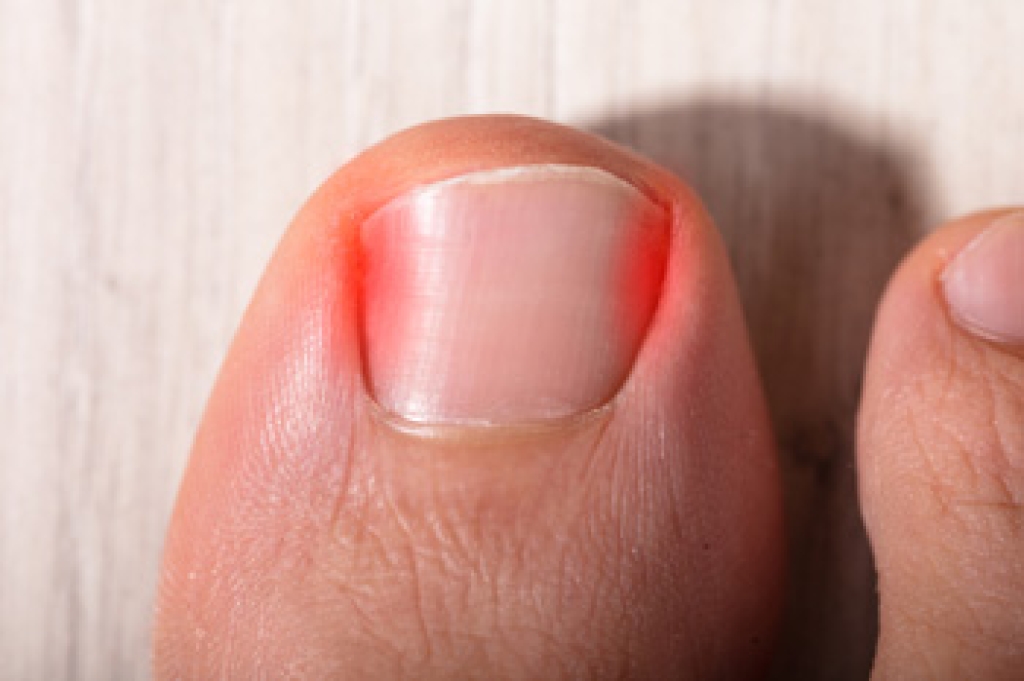
A foot blister is a small fluid-filled pocket that forms on the upper-most layer of the skin. Blisters are filled with clear fluid and can lead to blood drainage or pus if the area becomes infected.

How Do Blisters Form?

Blisters on the feet are often the result of constant friction of skin and material, usually by shoe rubbing. Walking in sandals, boots, or shoes that don’t fit properly for long periods of time can result in a blister. Having consistent foot moisture and humidity can easily lead to blister formation.

Prevention & Treatment

It is important to properly care for the affected area in order to prevent infection and ease the pain. Do not lance the blister and use a Band-Aid to provide pain relief. Also, be sure to keep your feet dry and wear proper fitting shoes. If you see blood or pus in a blister, seek assistance from a podiatrist.

If you have any questions, please feel free to contact our office located in Fort Meyers, FL . We offer the newest diagnostic and treatment technologies for all your foot care needs.
Read more about Blisters

Plantar Fasciitis and How to Find Relief

Plantar fasciitis is a common condition that affects the thick band of tissue on the bottom of the foot that supports the arch. It often occurs when this tissue becomes irritated from overuse, wearing improper footwear, or standing for long periods of time. Risk factors include high arches, flat feet, tight calf muscles, and increased activity. Symptoms include heel pain, stiffness, and discomfort that is often worse in the morning or after rest. A podiatrist can identify the cause, provide targeted treatment, recommend supportive footwear, and guide stretching and strengthening routines to ease strain on the heel. Heel pain can be painful, and may affect daily activities. If this applies to you, it is suggested that you consult a podiatrist who can accurately diagnose and treat what may be going on.

Plantar fasciitis can be very painful and inconvenient. If you are experiencing heel pain or symptoms of plantar fasciitis, contact Brian Doerr, DPM  from Florida. Our doctor can provide the care you need to keep you pain-free and on your feet.

What Is Plantar Fasciitis?

Plantar fasciitis is the inflammation of the thick band of tissue that runs along the bottom of your foot, known as the plantar fascia, and causes mild to severe heel pain.

What Causes Plantar Fasciitis?

  • Excessive running
  • Non-supportive shoes
  • Overpronation
  • Repeated stretching and tearing of the plantar fascia

How Can It Be Treated?

  • Conservative measures – anti-inflammatories, ice packs, stretching exercises, physical therapy, orthotic devices
  • Shockwave therapy – sound waves are sent to the affected area to facilitate healing and are usually used for chronic cases of plantar fasciitis
  • Surgery – usually only used as a last resort when all else fails. The plantar fascia can be surgically detached from the heel

While very treatable, plantar fasciitis is definitely not something that should be ignored. Especially in severe cases, speaking to your doctor right away is highly recommended to avoid complications and severe heel pain. Your podiatrist can work with you to provide the appropriate treatment options tailored to your condition.

If you have any questions, please feel free to contact our office located in Fort Meyers, FL . We offer the newest diagnostic and treatment technologies for all your foot care needs.

Read more about Plantar Fasciitis

When a Foot Fracture Disrupts Daily Movement

A broken foot can happen from a fall, a heavy object landing on the foot, or even repeated stress from activities that place too much pressure on the bones. Many people notice sudden pain, swelling, bruising, or difficulty putting weight on the foot right after the injury. In some cases, the discomfort may seem mild at first, but quickly worsens with walking. The area might feel tender to touch, and shoes may become uncomfortable due to swelling. Even small fractures can interfere with balance and everyday movement if they are not recognized early. Rest, elevation, and avoiding weight on the foot are usually important first steps until proper care is given. If you suspect a foot fracture because of persistent pain, swelling, or trouble walking, it is suggested that you schedule an appointment with a podiatrist for an accurate diagnosis and appropriate treatment plan.

A broken foot requires immediate medical attention and treatment. If you need your feet checked, contact Brian Doerr, DPM from Florida. Our doctor can provide the care you need to keep you pain-free and on your feet.

Broken Foot Causes, Symptoms, and Treatment

A broken foot is caused by one of the bones in the foot typically breaking when bended, crushed, or stretched beyond its natural capabilities. Usually the location of the fracture indicates how the break occurred, whether it was through an object, fall, or any other type of injury. 

Common Symptoms of Broken Feet:

  • Bruising
  • Pain
  • Redness
  • Swelling
  • Blue in color
  • Numbness
  • Cold
  • Misshapen
  • Cuts
  • Deformities

Those that suspect they have a broken foot shoot seek urgent medical attention where a medical professional could diagnose the severity.

Treatment for broken bones varies depending on the cause, severity and location. Some will require the use of splints, casts or crutches while others could even involve surgery to repair the broken bones. Personal care includes the use of ice and keeping the foot stabilized and elevated.

If you have any questions, please feel free to contact our office located in Fort Meyers, FL . We offer the newest diagnostic and treatment technologies for all your foot care needs.

Read more about Causes, Symptoms, and Treatment for a Broken Foot
scroll to top