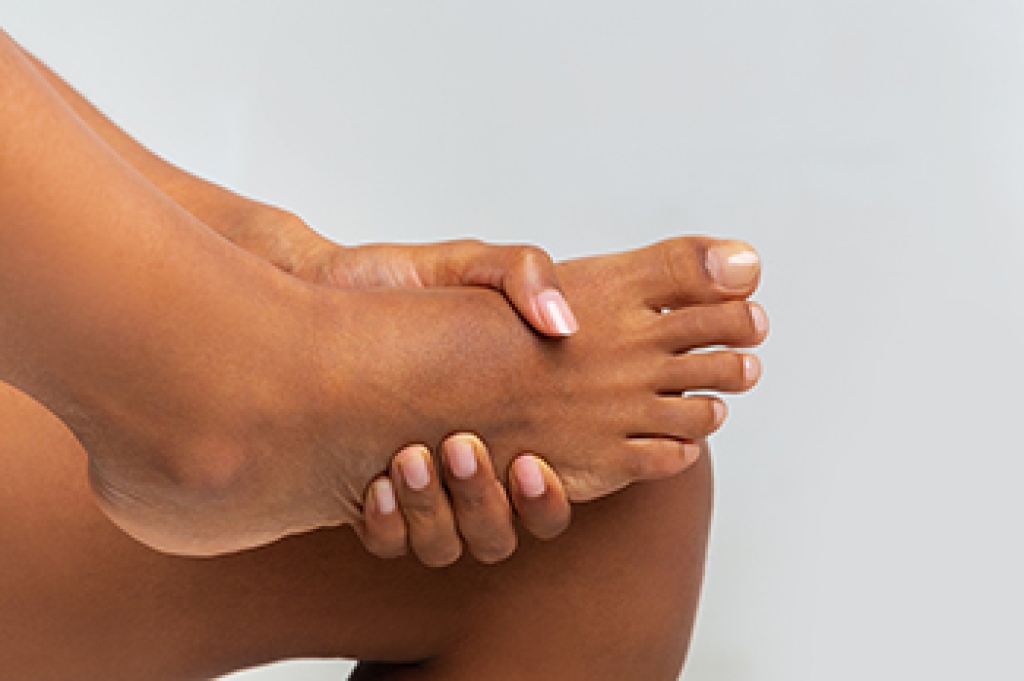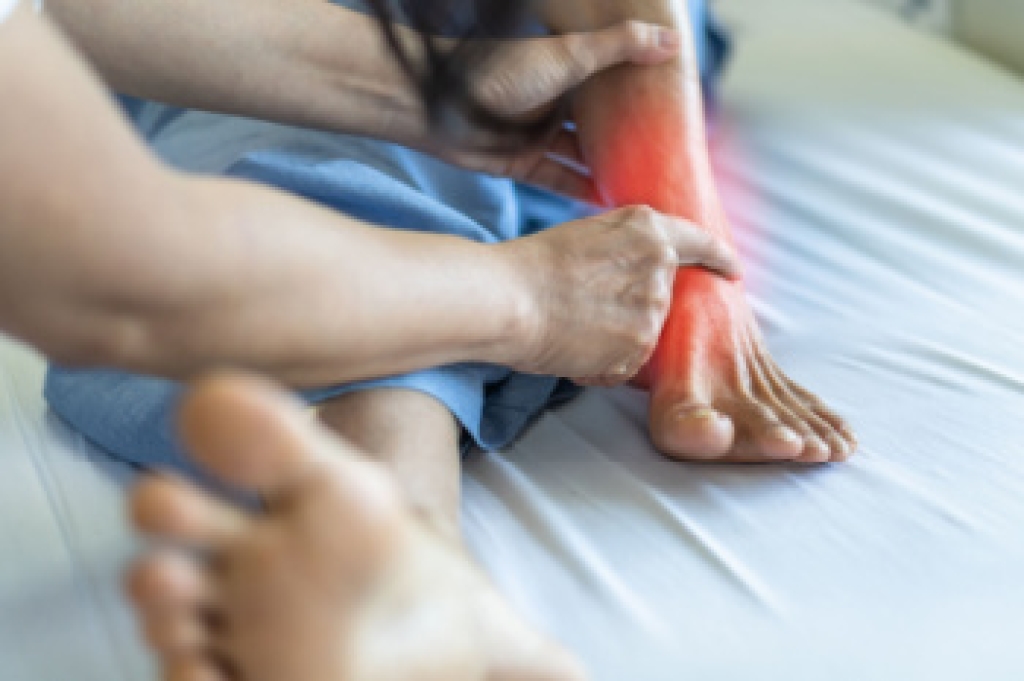
Ankle fractures often involve one or more of the three bones that form the ankle joint. These bones, the tibia, fibula, and talus, work together to support body weight and allow the foot to move smoothly. When one or more of them break, the ankle can become painful, swollen, and unstable. A fracture of the fibula is the most common ankle break and usually occurs on the outer side of the ankle after a twisting injury. Tibia fractures may involve the inner ankle and can affect the stability of the entire joint. In more severe injuries, the talus can also be damaged. Because the talus connects the leg to the foot and helps transfer body weight, a fracture in this bone may cause deep ankle pain, swelling, and difficulty walking. A podiatrist evaluates ankle fractures through physical examination and X-rays to determine the exact location and severity of the injury. Treatment may include immobilization, limited weight bearing, targeted exercises during recovery, or surgery if the joint is unstable. If you think you may have a broken ankle, it is suggested that you make an immediate appointment with a podiatrist.
Achilles tendon injuries are common among soccer players, also termed footballers, because the sport involves sudden acceleration, quick direction changes, and repeated jumping. These injuries often require a careful period of recovery to allow the tendon to heal and regain strength. Two common forms are mid-portion Achilles tendinopathy and insertional Achilles tendinopathy. Mid-portion injury occurs along the central section of the tendon and often develops from repetitive strain. Insertional injuries occur where the tendon attaches to the heel bone and may involve inflammation or bony irritation. Symptoms include heel pain, stiffness, swelling, and reduced strength during movement. Risk factors include overtraining, tight calf muscles, and wearing improper footwear. A podiatrist can diagnose the condition and guide recovery. If you have sustained an Achilles tendon injury, it is suggested that you consult a podiatrist who can offer effective relief and treatment solutions.
Sports related foot and ankle injuries require proper treatment before players can go back to their regular routines. For more information, contact Brian Doerr, DPM of Florida. Our doctor can provide the care you need to keep you pain-free and on your feet.
Sports Related Foot and Ankle Injuries
Foot and ankle injuries are a common occurrence when it comes to athletes of any sport. While many athletes dismiss the initial aches and pains, the truth is that ignoring potential foot and ankle injuries can lead to serious problems. As athletes continue to place pressure and strain the area further, a mild injury can turn into something as serious as a rupture and may lead to a permanent disability. There are many factors that contribute to sports related foot and ankle injuries, which include failure to warm up properly, not providing support or wearing bad footwear. Common injuries and conditions athletes face, including:
Plantar Fasciitis
Achilles Tendinitis
Achilles Tendon Rupture
Ankle Sprains
Sports related injuries are commonly treated using the RICE method. This includes rest, applying ice to the injured area, compression and elevating the ankle. More serious sprains and injuries may require surgery, which could include arthroscopic and reconstructive surgery. Rehabilitation and therapy may also be required in order to get any recovering athlete to become fully functional again. Any unusual aches and pains an athlete sustains must be evaluated by a licensed, reputable medical professional.
If you have any questions please contact our office located in Fort Meyers, FL. We offer the newest diagnostic and treatment technologies for all your foot and ankle needs.
A bunion develops when the tip of the big toe gradually shifts toward the smaller toes, causing a bony bump to form at the base of the joint. This change occurs over time as pressure alters the alignment of the bones in the forefoot. Wearing tight footwear, inherited foot structure, and flat arches can increase stress on the joint. As the joint moves out of place, the surrounding tissues may become swollen and tender. Symptoms often include redness, soreness, and difficulty wearing certain shoes. Some people notice stiffness or limited motion in the big toe. Early care focuses on easing pressure and slowing progression. Wearing wide, supportive shoes and using custom orthotics can improve alignment. Padding and anti-inflammatory measures may reduce discomfort. When pain interferes with daily life, further treatment options are discussed. If you have a painful bump near your big toe, it is suggested that you see a podiatrist for a proper diagnosis and appropriate treatment.
If you are suffering from bunion pain, contact Brian Doerr, DPM of Florida. Our doctor can provide the care you need to keep you pain-free and on your feet.
What Is a Bunion?
Bunions are painful bony bumps that usually develop on the inside of the foot at the joint of the big toe. As the deformity increases over time, it may become painful to walk and wear shoes. Women are more likely to exacerbate existing bunions since they often wear tight, narrow shoes that shift their toes together. Bunion pain can be relieved by wearing wider shoes with enough room for the toes.
Causes
Genetics – some people inherit feet that are more prone to bunion development
Inflammatory Conditions - rheumatoid arthritis and polio may cause bunion development
Symptoms
Redness and inflammation
Pain and tenderness
Callus or corns on the bump
Restricted motion in the big toe
In order to diagnose your bunion, your podiatrist may ask about your medical history, symptoms, and general health. Your doctor might also order an x-ray to take a closer look at your feet. Nonsurgical treatment options include orthotics, padding, icing, changes in footwear, and medication. If nonsurgical treatments don’t alleviate your bunion pain, surgery may be necessary.
If you have any questions, please feel free to contact our office located in Fort Meyers, FL. We offer the newest diagnostic and treatment technologies for all your foot care needs.
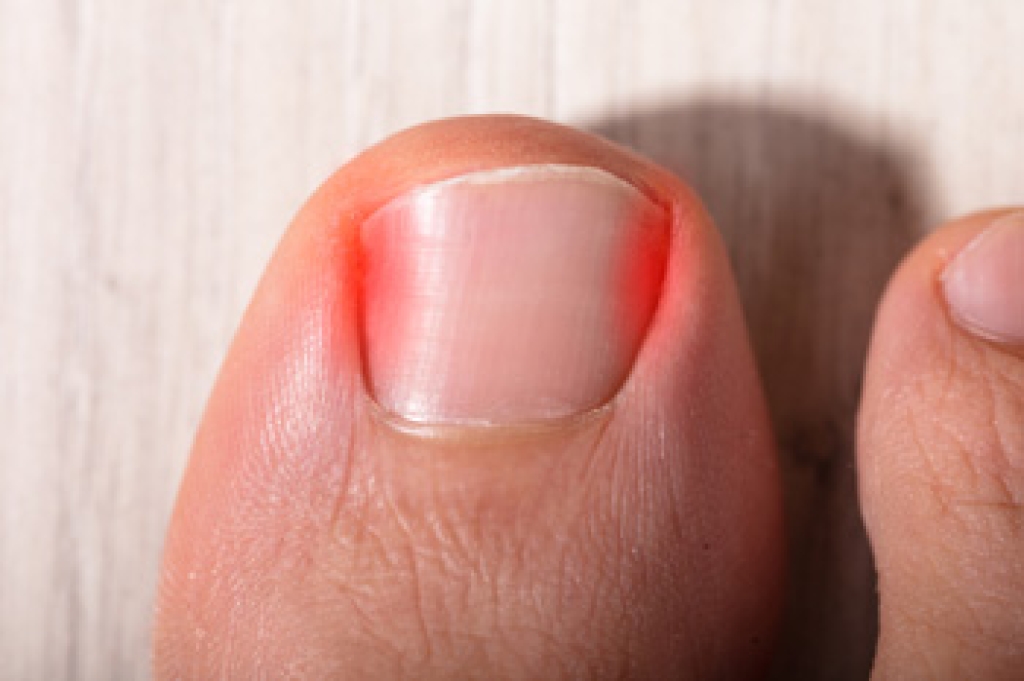
An Achilles tendon rupture is a serious injury that affects walking, balance, and push-off strength. Management depends on the patient’s health, activity level, and how well the tendon ends line up. Conservative care may be recommended for some individuals, and usually involves immobilization in a boot or cast, followed by gradual motion and strengthening. This approach avoids surgery but requires careful protection and guided rehabilitation. Surgical repair may be advised for others, especially when the tendon has pulled far apart or when higher strength and function are desired. Surgery reconnects the tendon to restore tension and support healing, followed by structured rehabilitation. Both approaches aim to regain strength, flexibility, and a safe return to activity. Early diagnosis and proper treatment planning are key to good outcomes. If sudden heel pain, weakness, or difficulty pushing off occurs, it is suggested that you see a podiatrist for evaluation and guidance.
Achilles tendon injuries need immediate attention to avoid future complications. If you have any concerns, contact Brian Doerr, DPM of Florida. Our doctor can provide the care you need to keep you pain-free and on your feet.
What Is the Achilles Tendon?
The Achilles tendon is a tendon that connects the lower leg muscles and calf to the heel of the foot. It is the strongest tendon in the human body and is essential for making movement possible. Because this tendon is such an integral part of the body, any injuries to it can create immense difficulties and should immediately be presented to a doctor.
What Are the Symptoms of an Achilles Tendon Injury?
There are various types of injuries that can affect the Achilles tendon. The two most common injuries are Achilles tendinitis and ruptures of the tendon.
Achilles Tendinitis Symptoms
Inflammation
Dull to severe pain
Increased blood flow to the tendon
Thickening of the tendon
Rupture Symptoms
Extreme pain and swelling in the foot
Total immobility
Treatment and Prevention
Achilles tendon injuries are diagnosed by a thorough physical evaluation, which can include an MRI. Treatment involves rest, physical therapy, and in some cases, surgery. However, various preventative measures can be taken to avoid these injuries, such as:
Thorough stretching of the tendon before and after exercise
Strengthening exercises like calf raises, squats, leg curls, leg extensions, leg raises, lunges, and leg presses
If you have any questions please feel free to contact our office located in Fort Meyers, FL. We offer the newest diagnostic tools and technology to treat your foot and ankle needs.