Like us on facebook
Follow us on twitter
review us on google

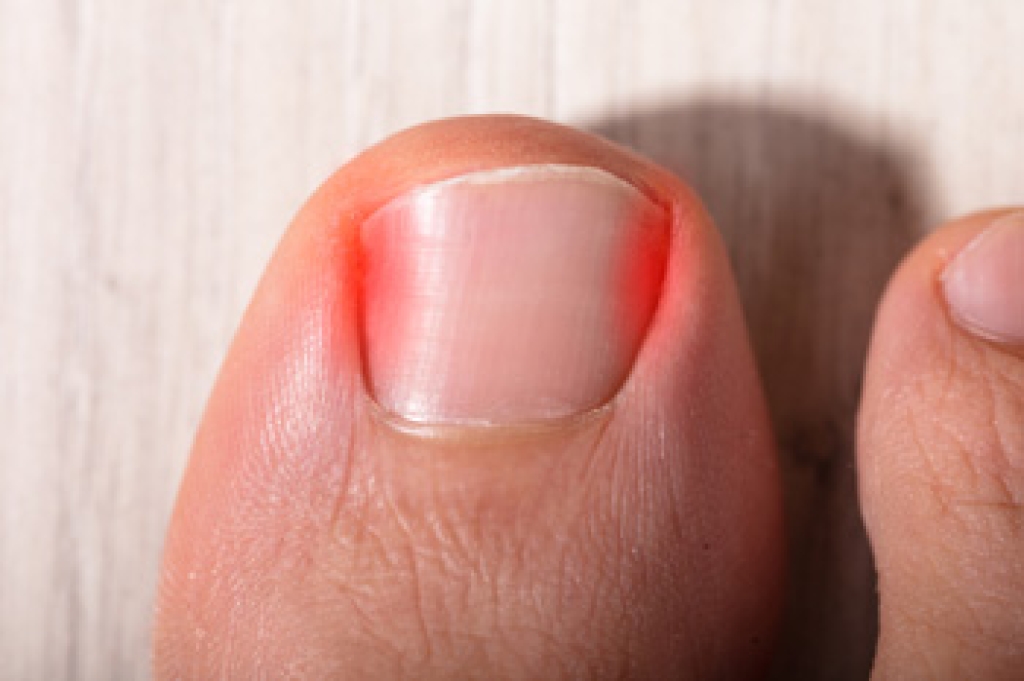
Early Warning Signs of Ingrown Toenails in Children

Ingrown toenails, medically known as onychocryptosis, are a common nail disorder that affects children and adolescents. This condition occurs when the edge of the toenail grows into the surrounding skin, leading to irritation and discomfort. It most often affects the big toe and can interfere with normal walking and daily activity. In children, early recognition is important because the condition can progress quickly if left untreated. Understanding the definition and stages of ingrown toenails helps parents respond promptly and reduce complications.

Symptoms of ingrown toenails often begin with redness and mild tenderness along the nail border. As the condition progresses, inflammation increases, and the area may become swollen and painful. Children may complain of discomfort when wearing shoes or during physical activity. In more advanced stages, the skin may begin to fold over the nail edge, and infection can develop. Signs of infection include drainage, warmth, and increased pain. Difficulty walking may occur if pressure on the affected toe becomes severe.


Several risk factors contribute to ingrown toenails in children. Improper footwear that is too tight or narrow can place pressure on the toes and encourage the nail to grow inward. Incorrect nail trimming, such as cutting the nails too short or rounding the edges, can also lead to this condition. Active children who participate in sports may experience repeated trauma to the toes, increasing the risk of nail problems. Poor foot hygiene and excessive sweating can further contribute to skin irritation and infection.


Preventing ingrown toenails involves proper nail care, wearing well-fitting shoes, and good hygiene practices. Nails should be trimmed straight across and not too short to avoid pressure on the surrounding skin. Comfortable shoes with adequate toe space can reduce friction and irritation. Early attention to symptoms can prevent progression to infection and more serious complications. Ingrown toenails can be painful. If your child has symptoms of an ingrown toenail, it is suggested that you promptly consult a podiatrist for effective relief and treatment solutions.

Ingrown toenails can become painful if they are not treated properly. For more information about ingrown toenails, contact Brian Doerr, DPM of Florida. Our doctor can provide the care you need to keep you pain-free and on your feet.

Ingrown Toenails

Ingrown toenails occur when a toenail grows sideways into the bed of the nail, causing pain, swelling, and possibly infection.

Causes

  • Bacterial infections
  • Improper nail cutting such as cutting it too short or not straight across
  • Trauma to the toe, such as stubbing, which causes the nail to grow back irregularly
  • Ill-fitting shoes that bunch the toes too close together
  • Genetic predisposition

Prevention

Wearing proper fitting shoes and using proper cutting techniques will also help decrease your risk of developing ingrown toenails.

Treatment

Ingrown toenails are a very treatable foot condition. In minor cases, soaking the affected area in salt or antibacterial soaps will not only help with the ingrown nail itself, but also help prevent any infections from occurring. In more severe cases, surgery is an option. In either case, speaking to your podiatrist about this condition will help you get a better understanding of specific treatment options that are right for you.

If you have any questions, please feel free to contact our office located in Fort Meyers, FL . We offer the newest diagnostic and treatment technologies for all your foot care needs.

Read more about Ingrown Toenail Care

Preventing Injury While Wearing High Heels Throughout the Year

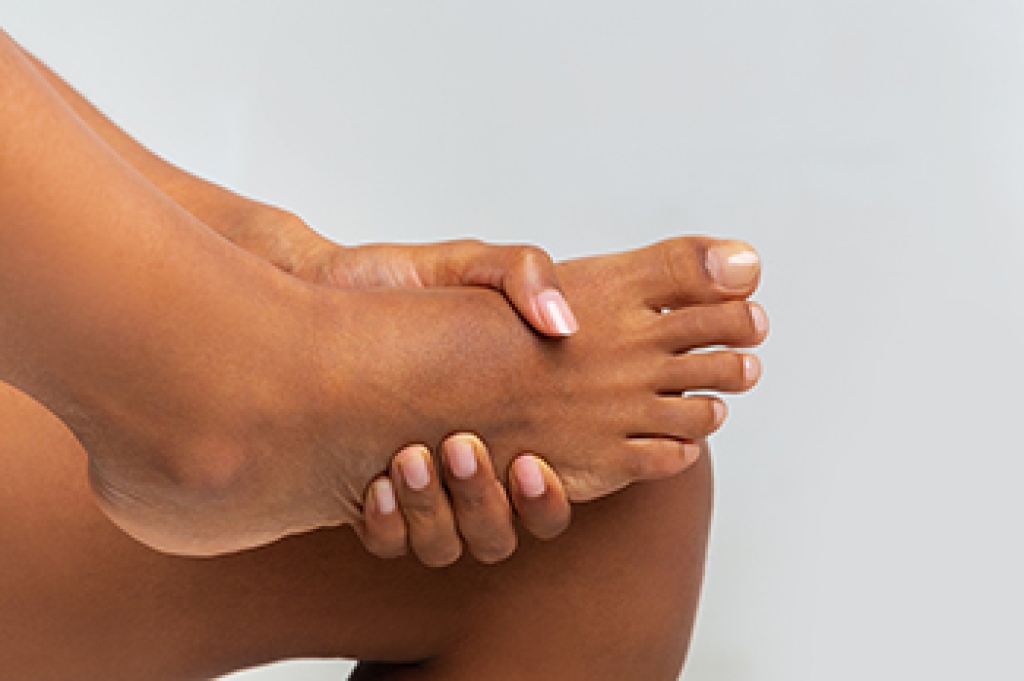
High heels are a popular footwear choice in every season, but they can place added stress on the feet and ankles if worn without proper support. This style shifts body weight forward, increasing pressure on the forefoot and affecting balance. Choosing the right shoe shape is important, as styles with a rounded or almond toe box allow for better alignment and reduce crowding of the toes. Opting for shorter heels can also improve stability and make it easier to stay comfortable for extended periods of time, especially when planning to wear heels all night. Selecting supportive footwear is essential for maintaining foot health. Well structured shoes with a wider heel base offer better balance, while closed toe designs can provide added protection when needed. Non-slip soles improve traction on a variety of surfaces, helping to prevent slips and falls. Cushioning and proper fit reduce pressure points and help limit irritation, fatigue, and discomfort during prolonged wear. Taking short breaks, shifting weight, and stretching the feet when possible can also help you wear high heels more comfortably throughout the evening.

Common symptoms associated with improper high heel use include foot pain, ankle instability, and difficulty walking comfortably. Risk factors include prolonged wear, poor shoe fit, narrow toe boxes, and walking on uneven or slick surfaces. Without proper precautions, these issues may lead to sprains, strains, or more serious injuries.

In summary, wearing high heels safely requires thoughtful choices that prioritize balance, support, and proper fit. Paying attention to heel height, shoe shape, and comfort strategies can make a significant difference when wearing heels for long periods. If you have foot pain or have sustained an injury while wearing high heels, it is suggested that you consult a podiatrist for relief tips and guidance on the right type of shoes to wear.

High heels have a history of causing foot and ankle problems. If you have any concerns about your feet or ankles, contact Brian Doerr, DPM from Florida. Our doctor can provide the care you need to keep you pain-free and on your feet.

Effects of High Heels on the Feet

High heels are popular shoes among women because of their many styles and societal appeal.  Despite this, high heels can still cause many health problems if worn too frequently.

Which Parts of My Body Will Be Affected by High Heels?

  • Ankle Joints
  • Achilles Tendon – May shorten and stiffen with prolonged wear
  • Balls of the Feet
  • Knees – Heels cause the knees to bend constantly, creating stress on them
  • Back – They decrease the spine’s ability to absorb shock, which may lead to back pain.  The vertebrae of the lower back may compress.

What Kinds of Foot Problems Can Develop from Wearing High Heels?

  • Corns
  • Calluses
  • Hammertoe
  • Bunions
  • Morton’s Neuroma
  • Plantar Fasciitis

How Can I Still Wear High Heels and Maintain Foot Health?

If you want to wear high heeled shoes, make sure that you are not wearing them every day, as this will help prevent long term physical problems.  Try wearing thicker heels as opposed to stilettos to distribute weight more evenly across the feet.  Always make sure you are wearing the proper shoes for the right occasion, such as sneakers for exercising.  If you walk to work, try carrying your heels with you and changing into them once you arrive at work.  Adding inserts to your heels can help cushion your feet and absorb shock. Full foot inserts or metatarsal pads are available. 

If you have any questions, please feel free to contact our office located in Fort Meyers, FL . We offer the newest diagnostic and treatment technologies for all your foot care needs.
Read more about Effect of High Heels on the Feet

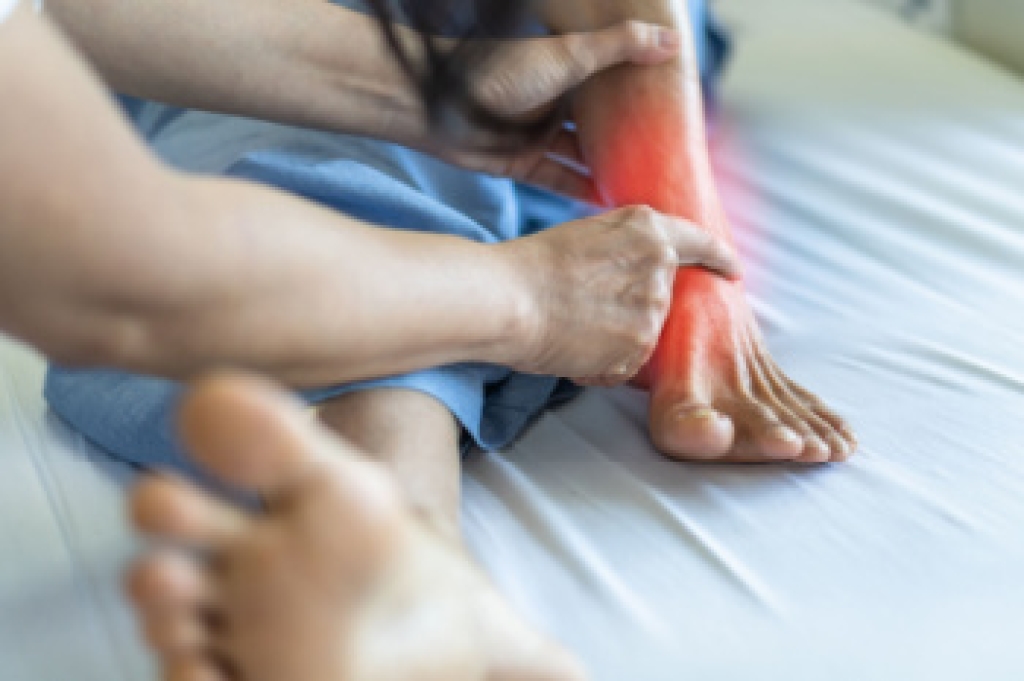
When a Toenail Injury Leads to Fungal Infection

A fungal nail infection affecting only one toe can sometimes develop after an injury rather than from typical exposure alone. Trauma to the toenail, such as stubbing the toe, repetitive pressure from sports, or damage from wearing tight footwear, can weaken the nail and create an opening for fungal organisms to grow. The nail may become thickened, discolored, brittle, misshapen, or begin lifting from the nail bed. Because only one nail is involved, some people assume the problem will resolve on its own or mistake it for lingering injury changes. A podiatrist can determine whether the nail changes are due to infection, trauma, or another condition that looks similar. Treatment may include targeted therapies based on the severity and extent of involvement. Early evaluation can improve treatment success and help prevent spread to other nails. If you have persistent nail changes after toe trauma, it is suggested that you visit a podiatrist for an assessment and appropriate treatment.

If left untreated, toenail fungus may spread to other toenails, skin, or even fingernails. If you suspect you have toenail fungus it is important to seek treatment right away. For more information about treatment, contact Brian Doerr, DPM of Florida. Our doctor can provide the care you need to keep you pain-free and on your feet.

Symptoms

  • Warped or oddly shaped nails
  • Yellowish nails
  • Loose/separated nail
  • Buildup of bits and pieces of nail fragments under the nail
  • Brittle, broken, thickened nail

Treatment

If self-care strategies and over-the-counter medications does not help your fungus, your podiatrist may give you a prescription drug instead. Even if you find relief from your toenail fungus symptoms, you may experience a repeat infection in the future.

Prevention

In order to prevent getting toenail fungus in the future, you should always make sure to wash your feet with soap and water. After washing, it is important to dry your feet thoroughly especially in between the toes. When trimming your toenails, be sure to trim straight across instead of in a rounded shape. It is crucial not to cover up discolored nails with nail polish because that will prevent your nail from being able to “breathe”.

In some cases, surgical procedure may be needed to remove the toenail fungus. Consult with your podiatrist about the best treatment options for your case of toenail fungus.  

If you have any questions please contact our office located in Fort Meyers, FL . We offer the newest diagnostic and treatment technologies for all your foot and ankle needs.

Read more about Treating Toenail Fungus

Ease Painful Feet With Orthotics

Custom orthotics can be used to relieve foot pain and discomfort. They're also used to treat various foot conditions and deformities. Flat feet, bunions, and Morton's neuroma are just a few of the foot conditions that have been known to benefit from the use of orthotics.

Comfy feet are happy feet! Contact us today.

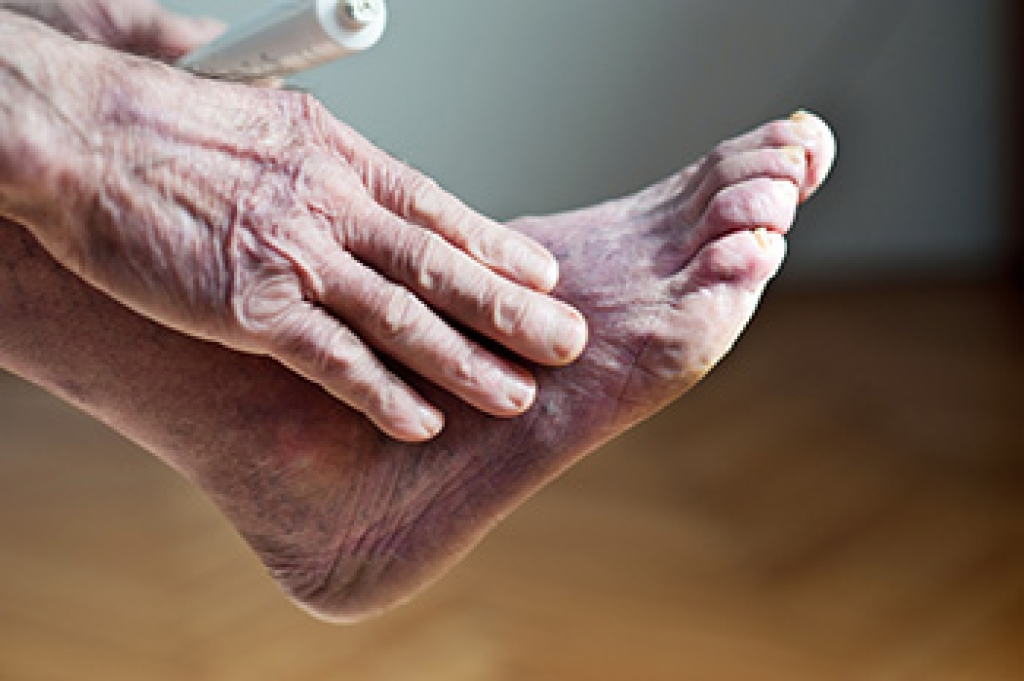
Diabetic Foot Problems and Warning Signs

Diabetes can affect the feet in several ways, often creating problems that develop gradually and become serious without early attention. Reduced sensation from nerve damage may make it difficult to feel cuts, blisters, or pressure areas. Poor circulation can slow healing, allowing minor skin injuries to worsen, over time. Changes in foot shape may increase pressure on certain areas, raising the risk of calluses, skin breakdown, and deeper wounds. Infections may also develop more easily when healing is impaired. Some people notice dry, cracked skin, changes in nail health, swelling, or unexplained redness. A podiatrist can examine circulation, sensation, skin condition, and structural changes while helping manage concerns before complications progress. Routine diabetic foot evaluations can play an important role in protecting mobility and overall health. If you have diabetes and notice any foot changes, it is suggested that you visit a podiatrist without delay.

Diabetic foot care is important in preventing foot ailments such as ulcers. If you are suffering from diabetes or have any other concerns about your feet, contact Brian Doerr, DPM from Florida. Our doctor can provide the care you need to keep you pain-free and on your feet.

Diabetic Foot Care

Diabetes affects millions of people every year. The condition can damage blood vessels in many parts of the body, especially the feet. Because of this, taking care of your feet is essential if you have diabetes, and having a podiatrist help monitor your foot health is highly recommended.

The Importance of Caring for Your Feet

  • Routinely inspect your feet for bruises or sores.
  • Wear socks that fit your feet comfortably.
  • Wear comfortable shoes that provide adequate support.

Patients with diabetes should have their doctor monitor their blood levels, as blood sugar levels play such a huge role in diabetic care. Monitoring these levels on a regular basis is highly advised.

It is always best to inform your healthcare professional of any concerns you may have regarding your feet, especially for diabetic patients. Early treatment and routine foot examinations are keys to maintaining proper health, especially because severe complications can arise if proper treatment is not applied.

If you have any questions, please feel free to contact our office located in Fort Meyers, FL . We offer the newest diagnostic and treatment technologies for all your foot care needs.
Read more about Diabetic Foot Care
scroll to top