
Ingrown toenails can be painful and can make wearing shoes or walking uncomfortable. Seek professional help if you believe you've developed an ingrown toenail and be treated safely.


Ingrown toenails can be painful and can make wearing shoes or walking uncomfortable. Seek professional help if you believe you've developed an ingrown toenail and be treated safely.

Foot pain from wearing sandals is common when footwear does not provide enough support for the arch or heel. Flat sandals can allow the foot to roll inward while walking. Thin soles may also increase pressure on the bottom of the foot. Symptoms can include aching or tenderness after walking. Risk factors include prolonged walking, existing foot problems, and suddenly switching from supportive shoes to sandals. People with poor arch support needs may notice discomfort quickly.
Wearing unsupportive sandals also can aggravate certain conditions. Plantar fasciitis is irritation involving the thick band of tissue along the bottom of the foot. It often causes heel pain after rest. Bunions are structural changes that cause the big toe to move toward the other toes. They may cause swelling and pressure near the big toe joint. Morton’s neuroma involves irritation around a nerve between the toes. It can cause burning pain beneath the forefoot. Seeing a podiatrist can help deal with any of these conditions.
A podiatrist begins by reviewing your symptoms, footwear habits and medical history. The foot is examined for tenderness, swelling, and pressure areas. Imaging may be recommended when structural problems need evaluation. Treatment depends on the diagnosis and may include wearing supportive footwear, custom orthotics, or medication, if appropriate. A podiatrist may also recommend stretching exercises, if suitable. Persistent bunions or nerve pain may require additional treatment if conservative care does not provide relief.
Choosing sandals with arch support, cushioning, and a secure fit can help reduce strain during walking and daily activities. Avoid unsupportive sandals for long periods of time when your feet already hurt. Gradually increase walking time and pay attention to changes in pain. Persistent symptoms should not be ignored because early care may prevent worsening. If foot pain caused by wearing sandals continues, it is suggested that you consult a podiatrist for effective relief tips, and guidance on choosing more appropriate shoes.
Foot Pain
Foot pain can be extremely painful and debilitating. If you have a foot pain, consult with Brian Doerr, DPM from Florida. Our doctor will assess your condition and provide you with quality foot and ankle treatment.
Causes
Foot pain is a very broad condition that could be caused by one or more ailments. The most common include:
Diagnosis
To figure out the cause of foot pain, podiatrists utilize several different methods. This can range from simple visual inspections and sensation tests to X-rays and MRI scans. Prior medical history, family medical history, and any recent physical traumatic events will all be taken into consideration for a proper diagnosis.
Treatment
Treatment depends upon the cause of the foot pain. Whether it is resting, staying off the foot, or having surgery; podiatrists have a number of treatment options available for foot pain.
If you have any questions, please feel free to contact our office located in Fort Meyers, FL . We offer the newest diagnostic and treatment technologies for all your foot care needs.

Tarsal tunnel syndrome develops when the tibial nerve becomes compressed near the inside of the ankle. This nerve travels through a narrow space called the tarsal tunnel before continuing into the foot. Pressure in this area can cause pain, burning, or tingling along the sole of the foot. Some patients also experience numbness. Symptoms can become more noticeable with standing or activity. An ankle injury, a cyst, or changes in foot structure can increase pressure around the nerve. Identifying where symptoms occur can help determine whether nerve compression is involved.
A podiatrist can evaluate tarsal tunnel syndrome by examining the foot and ankle and asking about the pattern of symptoms. One examination method involves gently tapping over the tibial nerve near the inner ankle. Tingling or an electric sensation that travels into the foot can suggest irritation of the nerve. The podiatrist can assess ankle movement, foot structure, and the way a patient walks. This evaluation is important because other problems can also cause pain or numbness in the foot. Understanding the source of the symptoms helps guide an appropriate treatment plan.
Podiatric care can focus on mechanical factors that place added stress around the ankle and foot. A podiatrist can address restricted joint movement and evaluate how the lower leg affects foot mechanics. Treatment can include gentle joint mobilization, guided stretching, and strengthening exercises based on examination findings. A podiatrist can also assess movement patterns that could increase pressure around the tarsal tunnel. Persistent numbness or worsening weakness deserves careful evaluation because ongoing nerve compression can affect foot function. If you have symptoms of tarsal tunnel syndrome, it is suggested that you schedule an appointment with a podiatrist for a diagnosis and appropriate treatment.
Tarsal tunnel syndrome can be very uncomfortable to live with. If you are experiencing tarsal tunnel syndrome, contact Brian Doerr, DPM of Florida. Our doctor can provide the care you need to keep you pain-free and on your feet.
Tarsal Tunnel Syndrome
Tarsal tunnel syndrome, which can also be called tibial nerve dysfunction, is an uncommon condition of misfiring peripheral nerves in the foot. The tibial nerve is the peripheral nerve in the leg responsible for sensation and movement of the foot and calf muscles. In tarsal tunnel syndrome, the tibial nerve is damaged, causing problems with movement and feeling in the foot of the affected leg.
Common Cause of Tarsal Tunnel Syndrome
The Effects of Tarsal Tunnel Syndrome
A physical exam of the leg can help identify the presence of tarsal tunnel syndrome. Medical tests, such as a nerve biopsy, are also used to diagnose the condition. Patients may receive physical therapy and prescriptive medication. In extreme cases, some may require surgery.
If you have any questions please contact our office located in Fort Meyers, FL . We offer the newest diagnostic and treatment technologies for all your foot and ankle needs.

Healthy blood flow delivers oxygen and nutrients throughout the body. Poor circulation develops when blood does not move effectively through the blood vessels. One major cause is narrowing of the arteries from fatty deposits called plaques. When arteries in the legs become narrow, less blood reaches the feet. This problem is called peripheral arterial disease, or PAD. Reduced circulation can make the feet more vulnerable to injury, infection, and ulcers. Cuts and other skin injuries can also heal more slowly when the tissues do not receive enough oxygen and nutrients.
Warning signs can appear in the feet and legs. Painful cramps in the calves can develop with activity and improve with rest. Some patients notice numbness, weakness, or swelling, especially in the feet. The feet and toes can also feel colder than usual. Changes can affect the skin, hair, and toenails because these tissues depend on a steady blood supply. Poor circulation can contribute to brittle nails and slower healing of cuts. Varicose veins can also appear near the feet and ankles when weakened vein valves allow blood and pressure to build up.
A podiatrist can examine the feet for changes linked to poor circulation and assess how well blood is reaching the lower limbs. This evaluation can include checking skin condition, temperature, and pulses in the feet. A podiatrist can also identify wounds or ulcers that are healing slowly and provide appropriate foot care. Regular podiatry visits can help protect vulnerable feet by detecting changes early and reducing the risk of complications. Patients should report persistent cramping, numbness, or unusual temperature changes in their feet. If you have symptoms of poor circulation, it is suggested that you schedule an appointment with a podiatrist for a diagnosis and appropriate treatment and management solutions.
While poor circulation itself isn’t a condition; it is a symptom of another underlying health condition you may have. If you have any concerns with poor circulation in your feet contact Brian Doerr, DPM of Florida. Our doctor will treat your foot and ankle needs.
Poor Circulation in the Feet
Peripheral artery disease (PAD) can potentially lead to poor circulation in the lower extremities. PAD is a condition that causes the blood vessels and arteries to narrow. In a linked condition called atherosclerosis, the arteries stiffen up due to a buildup of plaque in the arteries and blood vessels. These two conditions can cause a decrease in the amount of blood that flows to your extremities, therefore resulting in pain.
Symptoms
Some of the most common symptoms of poor circulation are:
Treatment for poor circulation often depends on the underlying condition that causes it. Methods for treatment may include insulin for diabetes, special exercise programs, surgery for varicose veins, or compression socks for swollen legs.
As always, see a podiatrist as he or she will assist in finding a regimen that suits you. A podiatrist can also prescribe you any needed medication.
If you have any questions, please feel free to contact our office located in Fort Meyers, FL . We offer the newest diagnostic and treatment technologies for all your foot care needs.
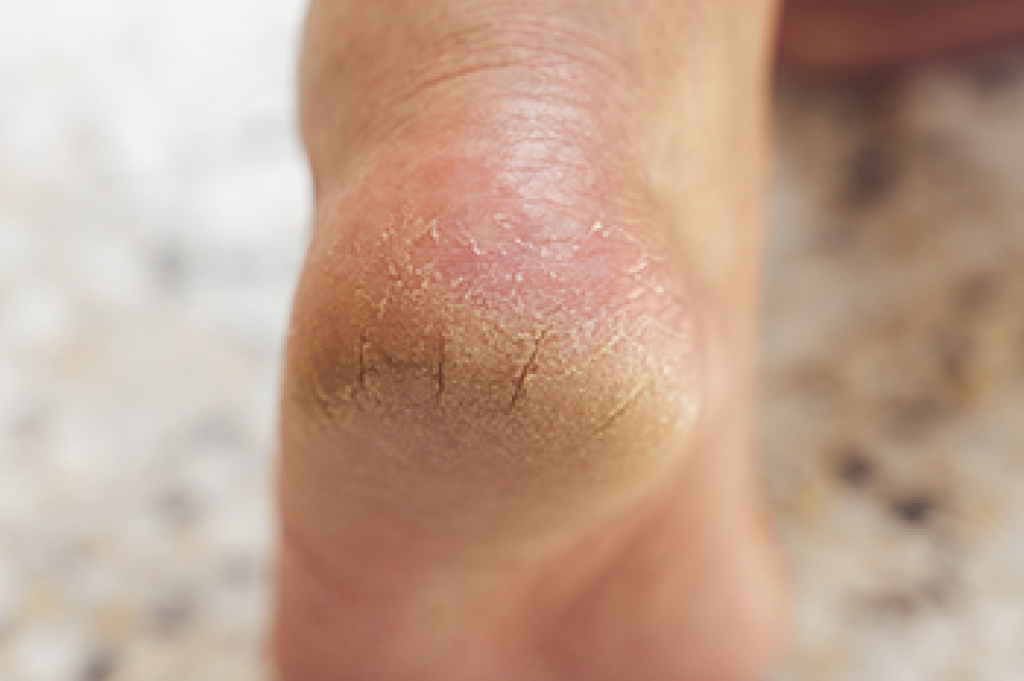
Cracked heels develop when the skin around the heel becomes dry, thickened, and less flexible. As pressure is placed on the heel while standing or walking, the skin may split and form small cracks. These openings are also known as heel fissures. Cracked heels can affect anyone, but certain factors may increase the risk. Spending long periods standing, wearing footwear that does not support the heel, and having very dry skin can contribute to the problem. At first, heel cracks may be mainly a cosmetic concern. As they deepen, however, they can become painful and interfere with comfortable walking.
The skin around a cracked heel may appear hard, rough, or thick. Some people develop deeper fissures that cause pain when weight is placed on the foot. More serious cracks may bleed or create an opening where bacteria can enter the skin. This can increase the risk of infection. Certain medical conditions may also make cracked heels more likely or increase the chance of complications. People with diabetes or poor circulation should have foot changes professionally evaluated, because wounds may require specialized attention. Persistent heel pain, bleeding, or signs of infection should be examined to determine the severity of the problem and identify contributing factors.
A podiatrist can evaluate cracked heels and determine why the skin continues to split. During an examination, the podiatrist can assess the damaged skin and check for signs of infection or other foot problems. Professional treatment may include carefully reducing areas of thickened skin and providing care for deeper heel fissures. A podiatrist can also assess foot structure and pressure patterns that may contribute to recurring cracks. Treatment is based on the condition of the skin and the patient’s overall foot health. If painful, deep, or recurring cracked heels are affecting your comfort or ability to walk, it is suggested that you consult a podiatrist for an evaluation and appropriate treatment options.
If the skin on your feet starts to crack, you may want to see a podiatrist to find treatment. If you have any concerns, contact Brian Doerr, DPM from Florida. Our doctor can provide the care you need to keep you pain-free and on your feet.
Cracked Heels
It is important to moisturize your cracked heels in order to prevent pain, bleeding, and infection. The reason cracked heels form is because the skin on the foot is too dry to support the immense pressure placed on them. When the foot expands, the dry skin on the foot begins to split.
Ways to Help Heal Them
Ways to Prevent Cracked Heels
If you are unsure how to proceed in treating cracked heels, seek guidance from a podiatrist. Your doctor will help you with any questions or information you may need.
If you have any questions, please feel free to contact our office located in Fort Meyers, FL . We offer the newest diagnostic and treatment technologies for all your foot care needs.
