Like us on facebook
Follow us on twitter
review us on google

Facts About Avulsion Foot Fractures

An avulsion fracture in the foot occurs when a strong pull from a tendon or ligament causes a small piece of bone to separate from the main bone. An avulsion fracture often happens during quick movements, such as twisting the foot or rolling the ankle. It is common among football players, ballet dancers, gymnasts, and skiers. Symptoms include sudden pain at the time of injury, followed by swelling, bruising, and trouble putting weight on the foot. An avulsion fracture often affects the outer edge of the foot or the heel. A podiatrist can evaluate the injury by examining the foot and ordering imaging studies to confirm the location and severity. Care includes protecting the injured area, reducing pressure, and prescribing devices that keep the foot stable. If you have symptoms of an avulsion foot fracture, it is suggested that you schedule an appointment with a podiatrist for a diagnosis and appropriate treatment.

A broken foot requires immediate medical attention and treatment. If you need your feet checked, contact Brian Doerr, DPM from Florida. Our doctor can provide the care you need to keep you pain-free and on your feet.

Broken Foot Causes, Symptoms, and Treatment

A broken foot is caused by one of the bones in the foot typically breaking when bended, crushed, or stretched beyond its natural capabilities. Usually the location of the fracture indicates how the break occurred, whether it was through an object, fall, or any other type of injury. 

Common Symptoms of Broken Feet:

  • Bruising
  • Pain
  • Redness
  • Swelling
  • Blue in color
  • Numbness
  • Cold
  • Misshapen
  • Cuts
  • Deformities

Those that suspect they have a broken foot shoot seek urgent medical attention where a medical professional could diagnose the severity.

Treatment for broken bones varies depending on the cause, severity and location. Some will require the use of splints, casts or crutches while others could even involve surgery to repair the broken bones. Personal care includes the use of ice and keeping the foot stabilized and elevated.

If you have any questions, please feel free to contact our office located in Fort Meyers, FL . We offer the newest diagnostic and treatment technologies for all your foot care needs.

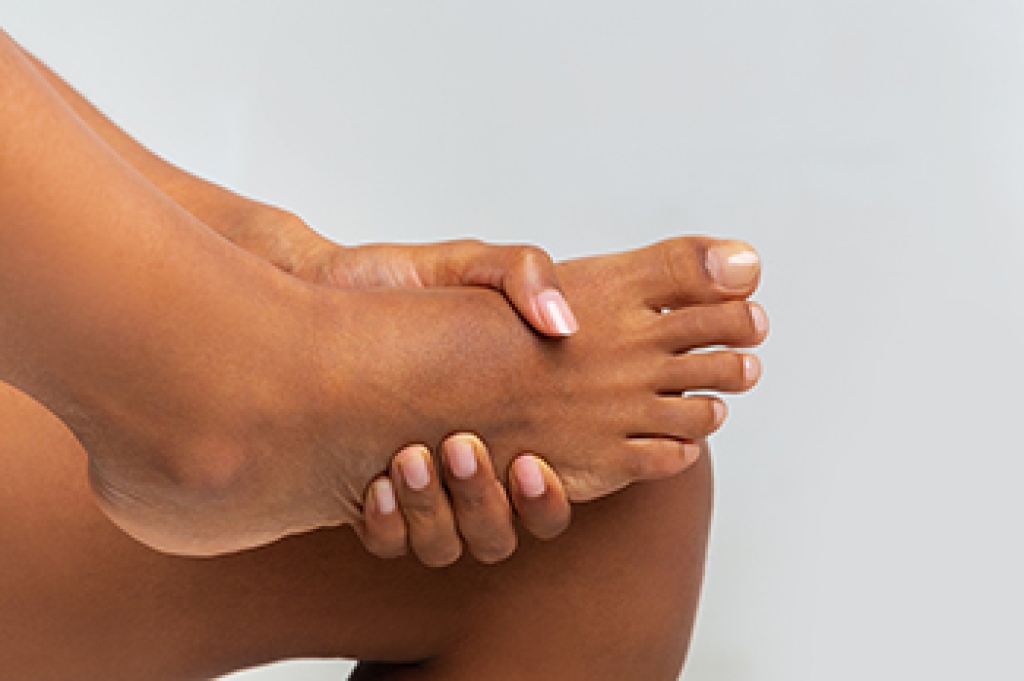
Read more about Causes, Symptoms, and Treatment for a Broken Foot

Plantar Warts Can Be Treated!

Plantar warts are small growths that develop on parts of the feet that bear weight. They're typically found on the bottom of the foot. Don't live with plantar warts, and call us today!

Reasons for Foot and Ankle Pain While Running

While running is a popular fitness exercise, it places repeated stress on the feet and ankles that can lead to pain. Common reasons for running pain include overuse, weak or tight muscles, and wearing shoes that no longer provide enough support. Previous injuries, such as ankle sprains, can also cause lasting weakness and make new injuries more likely. Running pain also may develop from Achilles tendon problems, plantar fasciitis, or stress fractures. Some runners feel pain in the heel, while others notice it in the arch, ankle, or along the side of the foot. A podiatrist can examine the foot and ankle to find the source of the pain. Treatment includes custom orthotics, bracing, and guidance on better running shoes. Surgery may be needed if the injury is severe. If you have foot or ankle pain while running, it is suggested that you schedule an appointment with a podiatrist for a diagnosis and appropriate treatment. 

All runners should take extra precaution when trying to avoid injury. If you have any concerns about your feet, contact Brian Doerr, DPM of Florida. Our doctor will treat your foot and ankle needs.

How to Prevent Running Injuries

There are a lot of mistakes a runner can make prior to a workout that can induce injury. A lot of athletes tend to overstretch before running, instead of saving those workouts for a post-run routine. Deep lunges and hand-to-toe hamstring pulls should be performed after a workout instead of during a warmup. Another common mistake is jumping into an intense routine before your body is physically prepared for it. You should try to ease your way into long-distance running instead of forcing yourself to rush into it.

More Tips for Preventing Injury

  • Incorporate Strength Training into Workouts - This will help improve the body’s overall athleticism
  • Improve and Maintain Your Flexibility – Stretching everyday will help improve overall performance
  • “Warm Up” Before Running and “Cool Down” Afterward – A warm up of 5-10 minutes helps get rid of lactic acid in the muscles and prevents delayed muscle soreness
  • Cross-Training is Crucial
  • Wear Proper Running Shoes
  • Have a Formal Gait Analysis – Poor biomechanics can easily cause injury

If you have any questions, please feel free to contact our office located in Fort Meyers, FL . We offer the newest diagnostic and treatment technologies for all your foot care needs.
Read more about Preventing Running Injuries

Types and Benefits of Orthotics

Orthotics are specially designed devices placed inside footwear to support, align, and improve the function of the feet and lower limbs. Off-the-shelf orthotics are prefabricated inserts that provide general support and cushioning for common foot issues. Functional foot orthoses are designed to correct abnormal movement patterns and improve biomechanics while walking or running. Custom molded total contact insoles are individually crafted to match the exact shape of the foot, offering precise support and pressure distribution. These devices can help treat plantar fasciitis, flat feet, heel pain, and overuse injuries. Benefits include improved comfort, better posture, reduced pain, and enhanced mobility. A podiatrist can assess foot structure and gait to recommend the most suitable orthotic option. If you have foot pain, it is suggested that you consult a podiatrist who can discuss the benefits of custom-made orthotics with you. 

If you are having discomfort in your feet and would like to try orthotics, contact Brian Doerr, DPM from Florida. Our doctor can provide the care you need to keep you pain-free and on your feet.

What Are Orthotics?

Orthotics are inserts you can place into your shoes to help with a variety of foot problems such as flat feet or foot pain. Orthotics provide relief and comfort for minor foot and heel pain but can’t correct serious biomechanical problems in your feet.

Over-the-Counter Inserts

Orthotics come in a wide variety of over-the-counter inserts that are used to treat foot pain, heel pain, and minor problems. For example, arch supports can be inserted into your shoes to help correct overarched or flat feet, while gel insoles are often used because they provide comfort and relief from foot and heel pain by alleviating pressure.

Prescription Orthotics

If over-the-counter inserts don’t work for you or if you have a more severe foot concern, it is possible to have your podiatrist prescribe custom orthotics. These high-quality inserts are designed to treat problems such as abnormal motion, plantar fasciitis, and severe forms of heel pain. They can even be used to help patients suffering from diabetes by treating foot ulcers and painful calluses and are usually molded to your feet individually, which allows them to provide full support and comfort.

If you are experiencing minor to severe foot or heel pain, it’s recommended to speak with your podiatrist about the possibilities of using orthotics. A podiatrist can determine which type of orthotic is right for you and allow you to take the first steps towards being pain-free.

If you have any questions, please feel free to contact our office located in Fort Meyers, FL . We offer the newest diagnostic and treatment technologies for all your foot care needs.
Read more about Ankle Foot Orthotics for Athletes

Types of Athlete’s Foot Infections

Tinea pedis, commonly called athlete’s foot, is a contagious fungal infection that appears in several forms. Interdigital athlete’s foot affects the spaces between toes, causing itching, peeling, and cracks. Moccasin-type spreads across the soles and sides of the foot, leading to dry, thickened skin. Additionally, vesicular athlete’s foot produces painful blisters, while ulcerative forms can create open sores and increase infection risk. Treatment depends on severity, with mild cases responding to over-the-counter antifungal creams, along with good hygiene and moisture control. Severe or persistent infections may require prescription oral medications. Preventive care, such as keeping feet dry, wearing breathable shoes, and avoiding barefoot exposure in public areas, helps reduce recurrence. If symptoms worsen or do not improve, it is suggested that you see a podiatrist for a proper diagnosis and appropriate treatment.

Athlete’s Foot

Athlete’s foot is often an uncomfortable condition to experience. Thankfully, podiatrists specialize in treating athlete’s foot and offer the best treatment options. If you have any questions about athlete’s foot, consult with Brian Doerr, DPM from Florida. Our doctor will assess your condition and provide you with quality treatment.

What Is Athlete’s Foot?

Tinea pedis, more commonly known as athlete’s foot, is a non-serious and common fungal infection of the foot. Athlete’s foot is contagious and can be contracted by touching someone who has it or infected surfaces. The most common places contaminated by it are public showers, locker rooms, and swimming pools. Once contracted, it grows on feet that are left inside moist, dark, and warm shoes and socks.

Prevention

The most effective ways to prevent athlete’s foot include:

  • Thoroughly washing and drying feet
  • Avoid going barefoot in locker rooms and public showers
  • Using shower shoes in public showers
  • Wearing socks that allow the feet to breathe
  • Changing socks and shoes frequently if you sweat a lot

Symptoms

Athlete’s foot initially occurs as a rash between the toes. However, if left undiagnosed, it can spread to the sides and bottom of the feet, toenails, and if touched by hand, the hands themselves. Symptoms include:

  • Redness
  • Burning
  • Itching
  • Scaly and peeling skin

Diagnosis and Treatment

Diagnosis is quick and easy. Skin samples will be taken and either viewed under a microscope or sent to a lab for testing. Sometimes, a podiatrist can diagnose it based on simply looking at it. Once confirmed, treatment options include oral and topical antifungal medications.

If you have any questions, please feel free to contact our office located in Fort Meyers, FL . We offer the newest diagnostic and treatment technologies for all your foot care needs.

Read more about How to Deal with Athlete's Foot
scroll to top